
Introduction to Panic Bar Installation
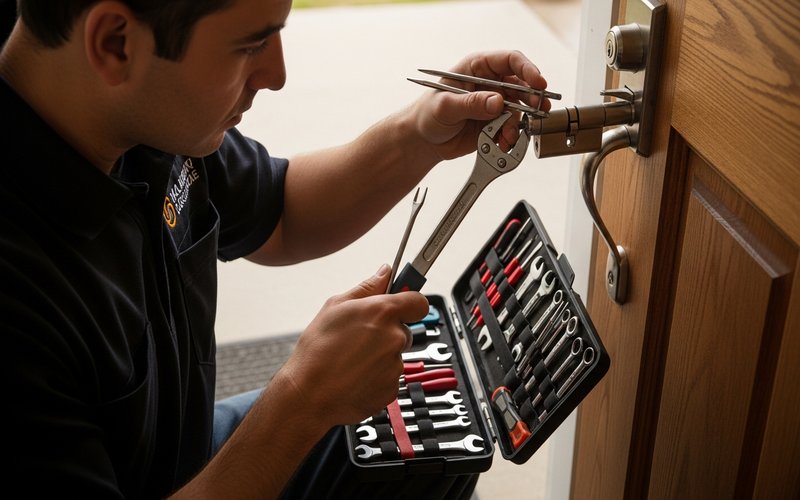
Professional panic bar installation involves more than simply mounting hardware to a door. It requires comprehensive knowledge of local building codes, fire safety regulations, ADA compliance standards, and the specific requirements of different building types. The installation must account for door construction, frame compatibility, fire ratings, and proper alignment to ensure smooth operation under all conditions, including high-stress emergency scenarios.
Our Panic Bar Installation Process
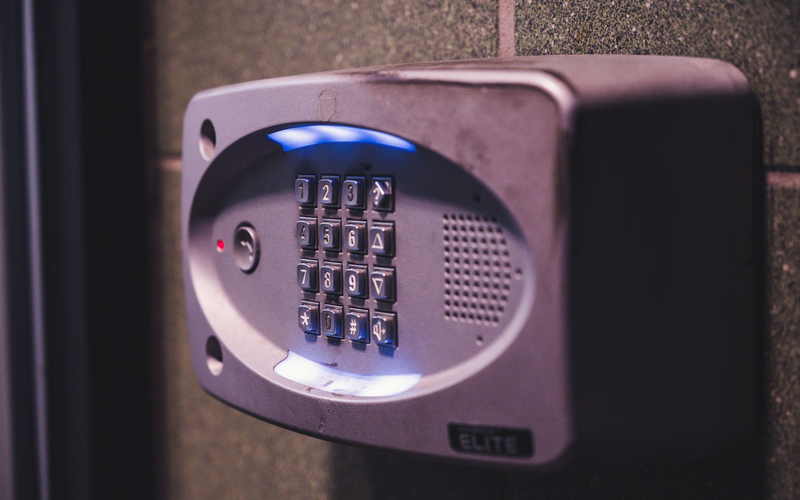
Our systematic approach to panic bar installation ensures code compliance, optimal functionality, and long-term reliability. The process begins with a thorough site assessment where our technicians evaluate your doors, frames, existing hardware, and specific building requirements. We examine door construction materials, swing direction, fire rating requirements, and traffic patterns to recommend the most appropriate panic bar solution for your facility.
During the planning phase, we review applicable building codes and fire safety regulations specific to Norristown and Montgomery County. We verify ADA compliance requirements, determine proper mounting heights, and identify any special considerations such as exterior doors requiring weather seals or doors with specific fire ratings. This planning ensures we select hardware that meets all regulatory requirements while providing optimal performance for your particular application.
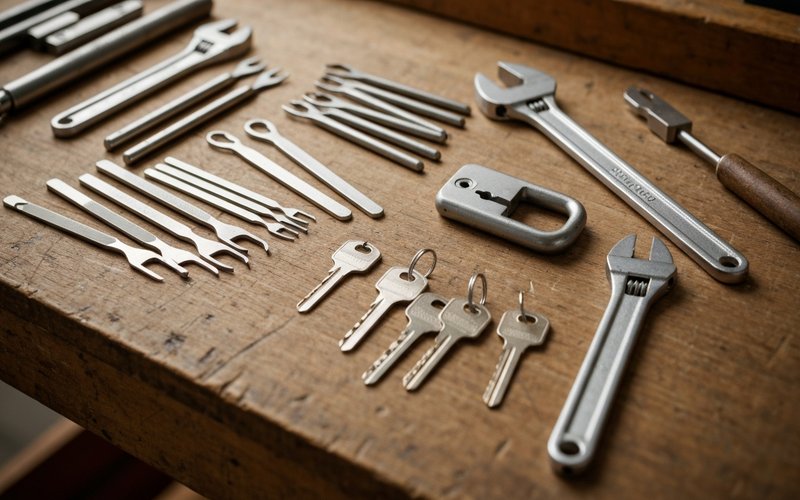
The installation phase involves precise measurement and mounting to ensure perfect alignment and smooth operation. We carefully mark mounting locations, drill pilot holes to prevent door damage, and securely attach the panic bar mechanism using appropriate fasteners for your door construction. For rim-mounted devices, we install the rim cylinder and proper strike plates. For mortise installations, we carefully prepare the door edge to accept the lockset body while maintaining door integrity and fire ratings.
Testing and adjustment represent critical final steps in our installation process. We perform multiple functionality tests, applying various pressure levels to ensure consistent operation. We verify that latches engage properly, doors close securely, and panic bars respond immediately to pressure. For exterior doors, we test weatherstripping and verify that alarm systems integrate correctly. We make fine adjustments to spring tension, latch alignment, and closing mechanisms to ensure flawless performance.
Finally, we provide documentation and training to building owners and facility managers. We supply all necessary compliance certificates, warranty information, and maintenance guidelines. Our technicians demonstrate proper operation and explain routine maintenance procedures to ensure long-term reliability.
Types of Panic Bar Installation Services We Offer
We provide comprehensive panic bar installation services tailored to diverse commercial applications:
Rim Panic Devices represent the most common installation type, mounted on the interior surface of doors. These devices work with surface-mounted rim cylinders and are ideal for doors that cannot accommodate mortise locks. We install rim devices on metal doors, hollow core doors, and locations requiring rapid installation with minimal door modification.
Mortise Panic Bars integrate into the door edge, providing a more streamlined appearance with superior security features. These installations require precise cutting and fitting but offer enhanced durability and resistance to tampering. We recommend mortise devices for high-security applications and exterior doors requiring robust protection.
Vertical Rod Panic Bars utilize vertical rods that engage latching points at both the top and bottom of door frames. This configuration provides exceptional security for double doors and locations requiring multi-point latching. We install vertical rod systems on exterior doors, high-traffic areas, and applications where standard rim devices provide insufficient security.
Concealed Vertical Rod Systems offer the security benefits of vertical rods with a cleaner aesthetic appearance. The rods remain hidden within the door, with only the push pad visible on the interior surface. These installations are popular in commercial buildings where appearance matters alongside functionality.
Cross Bar Panic Devices extend across the full width of doors and are commonly used in schools, theaters, and assembly occupancies. We install both surface-mounted and recessed cross bar systems depending on architectural requirements and door construction.
Fire-Rated Panic Bar Installations require special attention to maintain door fire ratings. We install UL-listed panic hardware rated for 3-hour, 90-minute, and 60-minute fire doors, ensuring complete compliance with fire safety codes while maintaining proper emergency exit functionality.
ADA-Compliant Installations meet accessibility standards for mounting height, operating force, and ease of use. We ensure panic bars install at proper heights and require no more than 5 pounds of force to operate, meeting Americans with Disabilities Act requirements.
Why Choose Norristown Locksmith for Panic Bar Installation
Our commitment to safety, compliance, and quality craftsmanship distinguishes Norristown Locksmith as the premier choice for panic bar installation in the Norristown area. Our certified technicians possess extensive training in commercial door hardware, fire safety codes, and building regulations. We maintain current certifications from leading manufacturers and regularly update our knowledge to reflect evolving safety standards and building codes.
Code compliance expertise sets us apart from general contractors and handyman services. We maintain comprehensive knowledge of International Building Code (IBC), National Fire Protection Association (NFPA) standards, and local Norristown regulations. This expertise ensures your installation passes inspections the first time, avoiding costly reinstallations and delays.
We exclusively install premium-grade commercial hardware from trusted manufacturers known for reliability and longevity. Our relationships with industry-leading suppliers enable us to source the right equipment for your specific application while maintaining competitive pricing. We stand behind every installation with comprehensive warranties covering both parts and workmanship.
Rapid response capabilities mean we can accommodate urgent installation needs for new construction deadlines, failed inspections, or emergency replacements. Our inventory of common panic bar models enables same-day installation for many applications, minimizing disruption to your business operations.
Our customer-focused approach emphasizes clear communication, transparent processes, and minimal disruption to your facility. We schedule installations at convenient times, maintain clean work areas, and complete projects efficiently without compromising quality. Every installation includes thorough documentation to support future inspections and insurance requirements.
Common Situations Requiring Panic Bar Installation
Understanding when panic bar installation becomes necessary helps building owners maintain compliance and protect occupants:
New construction and building renovations trigger panic bar requirements when creating spaces with specific occupancy classifications. Schools, assembly halls, retail stores exceeding certain occupancy thresholds, and industrial facilities typically require panic hardware on designated exit routes. We work with contractors and architects during construction phases to ensure proper hardware selection and installation.
Change of occupancy scenarios frequently necessitate panic bar upgrades. Converting warehouse space to retail use, transforming offices into educational facilities, or repurposing buildings for assembly occupancies often triggers new exit hardware requirements. Building inspectors identify these needs during occupancy permit reviews.
Failed building inspections commonly result from non-compliant or malfunctioning exit devices. Inspectors verify panic bars operate smoothly, meet current code requirements, and maintain proper fire ratings. Outdated hardware or improper installations identified during inspections require immediate correction to obtain occupancy certificates.
Security upgrades often include panic bar installation or replacement to balance emergency exit requirements with access control needs. Modern panic bars integrate with electronic access systems, allowing exterior security while maintaining code-compliant emergency egress. We install panic bars with alarm systems that alert management to unauthorized exits while ensuring occupants can always exit safely.
Door replacement projects necessitate panic bar reinstallation or upgrades. When replacing damaged doors, upgrading to fire-rated doors, or installing new exterior entrances, existing panic hardware may not transfer to new doors. We evaluate hardware compatibility and recommend appropriate solutions for door replacement projects.
High-traffic wear and damage eventually require panic bar replacement. Schools, hospitals, retail stores, and other facilities with constant use experience mechanical wear that compromises reliability. Visible damage, difficult operation, or inconsistent latching indicate replacement needs before complete failure occurs.
Insurance and liability concerns motivate proactive panic bar installation and maintenance. Property insurers and risk management professionals recognize properly functioning exit devices reduce liability exposure during emergencies. Regular upgrades demonstrate due diligence in protecting building occupants.
Factors That Influence Panic Bar Installation Quotes
Several variables affect the investment required for professional panic bar installation. Understanding these factors helps building owners budget appropriately and make informed decisions:
Hardware selection represents the most significant variable. Basic rim-mount panic devices cost less than sophisticated concealed vertical rod systems with integrated access control. Fire-rated hardware, heavy-duty commercial-grade devices, and systems with alarm integration require higher investment than standard applications. We help clients balance budget considerations with performance requirements and regulatory compliance.
Door preparation requirements influence installation complexity. Doors requiring significant modification for mortise locks or vertical rod systems involve more labor than surface-mounted rim devices. Fire-rated doors need special handling to maintain ratings, and glass doors require specific hardware configurations. Existing door damage or frame issues discovered during installation may require correction before panic bar mounting.
Quantity and building configuration affect overall project scope. Installing panic bars throughout multi-story buildings or across multiple locations involves different considerations than single-door installations. We often provide better value for multi-door projects through efficient scheduling and bulk hardware procurement.
Access control integration adds complexity when panic bars must interface with electronic security systems, alarm panels, or building automation systems. Coordinating with security system providers and programming integration features requires additional expertise and equipment.
Compliance requirements vary by building type and occupancy classification. Schools may require specific hardware features, healthcare facilities need special accessibility considerations, and high-security environments demand robust anti-tampering features. Meeting these specialized requirements influences hardware selection and installation procedures.
Scheduling considerations such as after-hours installation to avoid disrupting business operations or rush service for urgent compliance needs can affect project timelines. We accommodate customer scheduling preferences while maintaining our commitment to quality workmanship.
We provide detailed, transparent quotes that outline all factors affecting your specific installation. Our estimates include hardware specifications, labor requirements, and any additional components needed for complete, code-compliant installation.
When Exits Need Panic Bars
Building codes establish specific criteria determining when panic bar installation becomes mandatory:
Occupancy classifications trigger panic bar requirements based on building use and occupant load. Assembly occupancies including theaters, churches, restaurants, and conference facilities typically require panic hardware on main exits when occupant loads exceed 50 people. Educational facilities, daycare centers, and high-hazard occupancies have more stringent requirements with lower thresholds.
Exit access and discharge locations specified in building plans must accommodate rapid egress. Fire marshals identify required exit routes during plan reviews and occupancy inspections. These designated exits require panic bars to ensure occupants can evacuate quickly without keys, special knowledge, or excessive effort.
Fire safety codes mandate panic hardware on fire exit doors, stairwell access doors, and corridor exits in specific building types. Fire-rated doors serving as required exits must have UL-listed panic bars compatible with door fire ratings. These installations cannot compromise fire protection while enabling emergency egress.
ADA accessibility requirements influence panic bar mandates for public accommodations and commercial facilities. Exit routes must accommodate persons with disabilities, requiring panic bars that operate with minimal force and without tight grasping or twisting motions.
Navigating these requirements requires expertise in building codes and fire safety regulations. Our technicians stay current with regulatory changes and work closely with building inspectors to ensure compliant installations.
How We Install Your Exit Hardware
Our installation methodology emphasizes precision, compliance, and minimal disruption:
We begin by protecting your facility, using drop cloths and careful work practices to prevent damage or debris. For occupied buildings, we coordinate with management to schedule installation during low-traffic periods and maintain security throughout the process.
Precise measurements and marking ensure proper placement according to code requirements and manufacturer specifications. We verify mounting heights comply with ADA standards and mark drill locations to avoid door reinforcement channels and existing hardware.
Professional-grade tools and techniques enable clean, accurate installations. We use appropriate drill bits for different door materials, proper fasteners rated for commercial applications, and calibrated torque tools to prevent over-tightening that can damage components.
Quality verification occurs throughout installation. We check alignment continuously, test operation at each stage, and make adjustments before final tightening. Final inspection includes multiple operation cycles, latch engagement verification, and door closing checks.
Site cleanup and documentation complete every installation. We remove all debris, verify doors operate smoothly, and provide documentation including compliance certificates, warranty information, and maintenance guidelines.
Service Areas
Norristown Locksmith proudly serves commercial clients throughout Montgomery County from our location at 720 Kohn St, Norristown, PA 19401. Our central Norristown location enables rapid response to panic bar installation needs throughout the region.
We regularly serve businesses, schools, healthcare facilities, and industrial properties in Norristown, Bridgeport, King of Prussia, Plymouth Meeting, Conshohocken, West Norriton, East Norriton, and surrounding communities. Our technicians know the area well and arrive promptly for consultations, installations, and emergency service calls.
Whether you need panic bar installation for a single door or comprehensive exit device upgrades throughout a multi-building campus, our team provides the expertise and service you deserve. Contact us at (610) 595-5172 to schedule a consultation or request emergency service. We're committed to protecting your building occupants with professional, code-compliant panic bar installations that provide reliable performance for years to come.
Code-Compliant Installations
Every panic bar installation meets International Building Code, NFPA fire safety standards, and local Norristown regulations. Our certified technicians ensure your exit devices pass inspections the first time, protecting occupants and avoiding costly compliance issues.
Certified Commercial Specialists
Our technicians hold current certifications from leading commercial hardware manufacturers and receive ongoing training in building codes and fire safety regulations. This expertise ensures proper hardware selection, precise installation, and long-term reliability for your facility.
Rapid Response Service
We understand urgent installation needs for inspections, construction deadlines, and emergency replacements. Our inventory of commercial-grade panic bars and flexible scheduling enable same-day installation for many applications, minimizing disruption to your operations.
Premium Commercial Hardware
We exclusively install professional-grade panic bars from trusted manufacturers known for durability and consistent performance. Every installation includes comprehensive warranties covering both hardware and workmanship, providing long-term protection for your investment.