
Home security is one of the most important responsibilities of homeownership, yet many residents in Norristown and the surrounding areas overlook critical locksmith safety measures that could prevent break-ins and protect their families. With property crime statistics showing that a burglary occurs every 26 seconds in the United States, understanding proper lock maintenance, key management, and security protocols isn't just recommended—it's essential. As professional locksmiths serving the Norristown community at 720 Kohn St, we've seen firsthand how simple safety practices can make the difference between a secure home and a vulnerable target. In this comprehensive guide, we'll share the most important locksmith safety tips every homeowner should implement to protect their property and loved ones.
Understanding Your Home's Lock Systems
Before you can properly secure your home, you need to understand the different types of locks protecting your property. Not all locks are created equal, and knowing what you have installed is the first step toward comprehensive home security.
Modern homes typically feature several lock types, including pin tumbler locks, deadbolts, smart locks, and specialized security locks. Each serves a specific purpose and offers different levels of protection. Pin tumbler locks are the most common type found in residential settings, using a series of pins that must align correctly for the lock to open. While functional, these basic locks should never be your only line of defense.
Deadbolts provide significantly more security than standard doorknob locks. A quality deadbolt extends at least one inch into the door frame, making it extremely difficult for intruders to force entry. Single-cylinder deadbolts use a key on the outside and a thumb turn on the inside, while double-cylinder deadbolts require a key on both sides, offering enhanced security for doors with nearby glass panels.
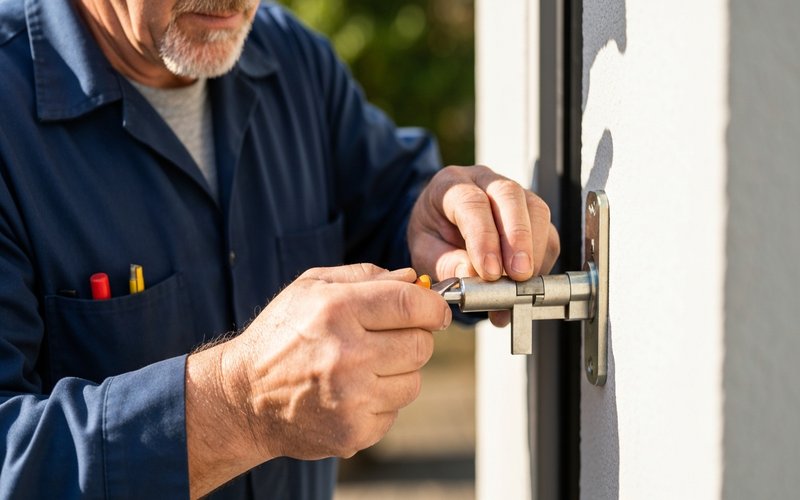
Smart locks represent the latest evolution in home security technology, allowing you to control access remotely, monitor entry and exit, and eliminate the need for physical keys. However, these systems require proper installation and regular software updates to maintain their security features.
Essential Lock Maintenance Practices
Many homeowners assume that once locks are installed, they require no further attention. This misconception can lead to compromised security over time. Regular lock maintenance ensures your security systems function properly when you need them most.
Lubricate your locks at least twice a year using graphite powder or a silicone-based lubricant specifically designed for locks. Avoid using oil-based products like WD-40 for regular maintenance, as these can attract dirt and eventually gum up the lock mechanism. Simply spray or apply the lubricant into the keyhole and work the key in and out several times to distribute it evenly.
Inspect your locks regularly for signs of wear, loose screws, or damage. Check that deadbolts extend and retract smoothly, and ensure that all mounting screws remain tight. Loose locks are easier to manipulate and compromise your home's security. If you notice any resistance, sticking, or unusual behavior when operating your locks, address these issues immediately or contact a professional locksmith.
Weather can take a significant toll on exterior locks. Moisture, extreme temperatures, and debris can cause locks to corrode or freeze. During winter months, keep a lock de-icer on hand, and ensure that door sweeps and weather stripping keep moisture away from lock mechanisms. Coastal homeowners should be especially vigilant about corrosion and may need to replace locks more frequently due to salt air exposure.
Smart Key Management Strategies
How you manage your keys directly impacts your home's security. Poor key management practices create vulnerabilities that criminals can exploit, often without you even realizing it.
Never hide keys in obvious outdoor locations. Burglars know to check under doormats, above door frames, inside fake rocks, and in planters. These "hiding spots" are the first places intruders look. If you absolutely must have an emergency key outside, invest in a high-quality, weatherproof lockbox with a combination code that only trusted individuals know.
Implement a strict policy about key duplication. Know exactly how many copies of your house keys exist and who has them. When moving into a new home, always rekey or replace all locks—you have no way of knowing how many copies of the previous owner's keys are circulating. Similarly, if you've given keys to contractors, pet sitters, or former tenants, change your locks or rekey them once they no longer need access.
Consider establishing a master key system if you have multiple properties or rental units. This professional locksmith service allows you to maintain different keys for different areas while keeping a master key that operates all locks. This system provides convenience without compromising security, as individual keys can be changed without affecting the entire system.
Label your keys strategically. Never attach your address to your keychain. If you lose your keys, you're essentially handing a burglar your home address and the means to enter. Instead, use codes or initials that only you understand. Many modern key duplication machines can create copies from photographs, so be mindful about posting pictures of your keys on social media.
Strengthening Entry Points Beyond Locks
Even the best locks can't protect your home if the surrounding entry points remain vulnerable. A comprehensive security approach addresses the entire door and frame system, not just the lock itself.
Reinforce your door frames with strike plates secured by three-inch screws that penetrate into the wall studs. Standard strike plates with half-inch screws only anchor into the door frame, which can splinter easily under force. A heavy-duty strike plate with long screws distributes force across a larger area and makes kick-in entries significantly more difficult.
Ensure your exterior doors are solid core or metal construction. Hollow core doors, commonly used for interior applications, offer virtually no security and can be easily breached. If replacing doors isn't immediately feasible, consider installing a door security bar or brace that prevents the door from being forced open even if the lock is compromised.
Pay special attention to sliding glass doors, which are frequent targets for burglars. Install a security bar in the track to prevent the door from sliding open, and consider adding pins through the door frame into the sliding panel. Apply security film to the glass to make it more resistant to shattering. Never rely solely on the factory-installed locks on sliding doors, as these are often easily defeated.
Don't forget about your garage door, which many homeowners overlook as an entry point. Keep your garage door closed and locked even when you're home, and never leave the automatic opener in your car where thieves can easily access it. Consider upgrading to a smart garage door opener that alerts you if the door is left open and allows you to control it remotely.
Window Security Considerations
Windows represent another common entry point that requires locksmith expertise to properly secure. Many window locks are inadequate, especially on older homes.
Install secondary locking mechanisms on all accessible windows. Pin locks, window bars, or key-operated locks provide additional security beyond standard latches. For double-hung windows, drill a slight downward-angled hole through the top of the bottom sash and partway into the bottom of the top sash, then insert a nail or pin to prevent the window from opening.
Basement windows deserve special attention since they're often hidden from view and provide ground-level access. Install window well covers with locks, and consider adding security bars to basement windows. Ensure that any security bars on bedroom windows have quick-release mechanisms for emergency egress.
Consider installing window sensors as part of a comprehensive security system. These devices alert you when windows are opened unexpectedly and can be integrated with smart home systems for remote monitoring.
Recognizing and Avoiding Lock-Related Scams
Unfortunately, the locksmith industry has its share of fraudulent operators who prey on people in vulnerable situations. Knowing how to identify legitimate locksmiths protects you from scams and ensures quality service.
Always verify a locksmith's credentials before allowing them to work on your home. Legitimate locksmiths have established business locations, proper licensing, and insurance. Be wary of locksmiths who arrive in unmarked vehicles or refuse to provide identification and credentials.
Get price quotes in writing before work begins. Reputable locksmiths provide clear estimates and won't dramatically increase prices once they arrive. If a locksmith insists on drilling out your locks as the only solution, especially for a simple lockout, seek a second opinion. Most residential lockouts can be resolved without destroying the lock.
Research locksmiths before you need emergency services. Having a trusted locksmith's contact information readily available prevents panic-driven decisions during lockout situations. Read reviews, verify business locations, and ensure they serve the Norristown area with proven local expertise.
When to Upgrade Your Locks
Knowing when to upgrade your locks is crucial for maintaining optimal security. Several situations warrant immediate lock replacement or upgrading.
After a break-in or attempted break-in, replace all affected locks immediately. Even if the intruder didn't successfully enter, the attempted breach may have compromised the lock's integrity. Additionally, if the break-in method is unknown, changing locks ensures that the intruder doesn't have a copy of your key.
When ending relationships with people who had key access—such as former roommates, ex-partners, or terminated employees—change your locks promptly. Even if you trust that they'll return all keys, you can't be certain they didn't make copies.
If your keys are lost or stolen, don't wait to see if someone attempts to use them. Change your locks or have them rekeyed immediately. The small investment in this service far outweighs the risk of unauthorized entry.
Consider upgrading to high-security locks if you live in an area with increasing crime rates or if you keep valuable items in your home. High-security locks feature advanced technologies that make them pick-resistant and drill-resistant, providing substantially better protection than standard residential locks.
Technology Integration for Enhanced Security
Modern technology offers homeowners unprecedented control over their security systems. Integrating smart locks and security devices creates multiple layers of protection while providing convenience.
Smart locks allow you to monitor who enters your home and when, grant temporary access to visitors, and lock or unlock doors remotely. When choosing smart locks, prioritize models with strong encryption, regular firmware updates, and compatibility with your existing smart home ecosystem. Remember that smart locks still require regular battery changes and should have backup entry methods in case of technology failures.
Video doorbells complement your lock systems by allowing you to see and communicate with visitors before opening the door. Many models record footage that can be valuable for security purposes and package theft prevention.
Integrate your locks with a comprehensive home security system for maximum protection. Systems that combine motion sensors, door and window sensors, cameras, and professional monitoring create a robust security network that's difficult for intruders to defeat.
Frequently Asked Questions
What locks can locksmiths not open?
While professional locksmiths can open most standard residential and commercial locks, certain high-security locks and specialized government-grade locks present significant challenges. Some advanced electronic locks with complex encryption may require manufacturer intervention. Additionally, responsible locksmiths will not open locks without proper proof of ownership or authorization to prevent facilitating illegal entry. Certain antique or extremely damaged locks may also be unopenable without destruction.
Why put a rubber band on a doorknob when you're alone?
This is actually a security warning, not a recommendation. Criminals have used the rubber band technique to hold the latch down on a door, making it possible to push the door open even after someone closes it, thinking it's locked. If you find a rubber band on your doorknob, remove it immediately and inspect your door lock to ensure it's functioning properly. This is one reason to always use a deadbolt in addition to standard doorknob locks—deadbolts cannot be defeated by this method.
What two keys cannot open a lock?
This is a classic riddle—the answer is "a donkey and a monkey." However, from a practical locksmith perspective, the important point is that only properly cut keys that match your lock's specific pin configuration should be able to open your locks. If you notice that multiple different keys can open your lock, it's severely worn and should be replaced immediately, as this represents a significant security vulnerability.
Creating a Comprehensive Home Security Plan
Effective home security requires more than just good locks—it demands a comprehensive approach that considers all potential vulnerabilities and implements multiple layers of protection.
Conduct a security audit of your entire property. Walk around your home as if you were trying to break in, identifying weak points, hidden access areas, and security gaps. Look for overgrown landscaping that could conceal intruders, poorly lit areas, and easily accessible entry points.
Establish security routines and ensure all family members follow them consistently. Lock doors and windows every time you leave home, even for brief errands. Enable security systems and verify that all entry points are secured before going to bed each night. Consistency eliminates the opportunities that burglars look for.
Communicate with neighbors and consider establishing a neighborhood watch program. Communities that look out for each other experience lower crime rates. Share information about suspicious activities and support each other's security efforts.
Conclusion: Your Partner in Home Security
Protecting your home and family requires vigilance, quality security hardware, and professional expertise. The locksmith safety tips outlined in this guide provide a foundation for comprehensive home security, but every property has unique needs and vulnerabilities that may require customized solutions.
At Norristown Locksmith, located at 720 Kohn St, Norristown, PA 19401, we're committed to helping homeowners throughout the area achieve peace of mind through superior security solutions. Our experienced technicians can assess your property's specific security needs, recommend appropriate upgrades, and provide professional installation and maintenance services.
Don't wait until you experience a security breach to take action. Whether you need lock rekeying, high-security lock installation, smart lock integration, or comprehensive security consultation, our team is ready to help. We understand that security emergencies don't follow a schedule, which is why we offer responsive service when you need it most.
Invest in your home's security today by implementing these locksmith safety tips and partnering with professionals who prioritize your protection. Contact Norristown Locksmith to schedule a security assessment or to discuss how we can enhance your home's defenses. Your family's safety is too important to leave to chance—let us help you create the secure environment you deserve.